
DVR Recorders in Sri Lanka
Hikvision DVRs for Turbo HD analogue cameras, from 4 to 32 channels, with AcuSense and remote viewing on your phone.
17 products, from Rs. 14,775. Prices include warranty. Call 077 20 89 555 for installation or a quotation.
All DVR Recorders
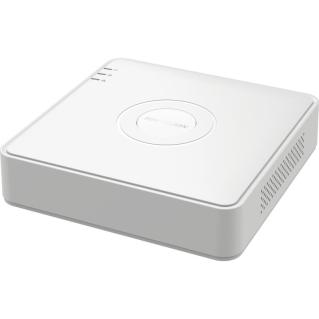 −20%
Hikvision DS-7104HGHI-M1/T 4-ch 1080p Lite Mini 1U H.265 DVR
Rs. 14,775Rs. 18,574
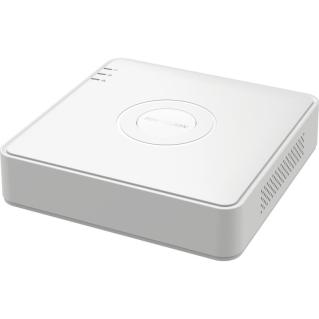 −20%
Hikvision DS-7108HGHI-M1/T 8-ch 1080p Lite Mini 1U H.265 DVR
Rs. 17,751Rs. 22,315
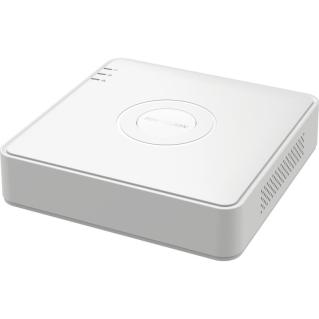 −20%
Hikvision iDS-7104HQHI-M1/T 4-ch 1080P Mini 1U H.265 AcuSense DVR
Rs. 22,121Rs. 27,810
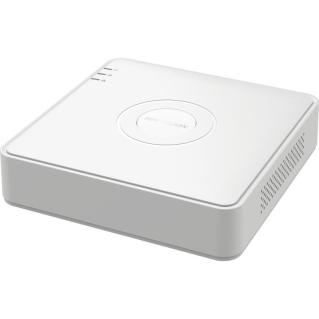 −20%
Hikvision iDS-7108HQHI-M1/T 8-ch 1080P Mini 1U H.265 AcuSense DVR
Rs. 30,281Rs. 38,067
 −20%
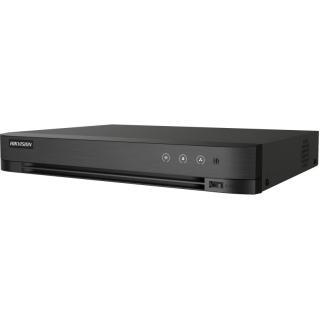
Hikvision iDS-7204HQHI-M1/XT 4-ch 1080p 1U H.265 AcuSense DVR
Rs. 31,207Rs. 39,232
 −20%
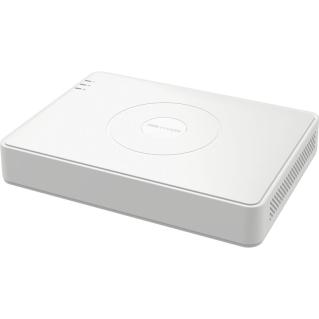
Hikvision DS-7116HGHI-M1/T 16-ch 1080P Lite Mini 1U H.265 DVR
Rs. 34,886Rs. 43,856
 −20%
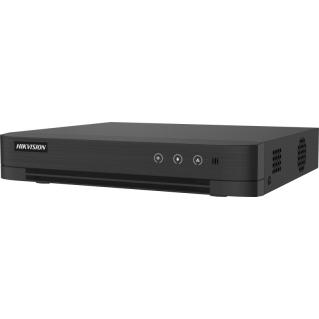
Hikvision iDS-7204HUHI-M1/T 4-ch 5MP 1U H.265 AcuSense DVR
Rs. 37,774Rs. 47,488
 −20%
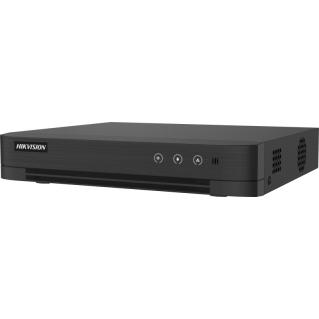
Hikvision iDS-7208HQHI-M1/T 8-ch 1080P 1U H.265 AcuSense DVR
Rs. 48,032Rs. 60,383
 −20%
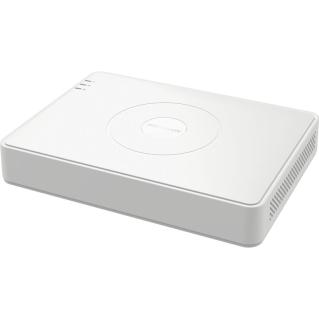
Hikvision iDS-7116HQHI-M1/T 16-ch 1080P Mini 1U H.265 AcuSense DVR
Rs. 51,530Rs. 64,781
 −20%
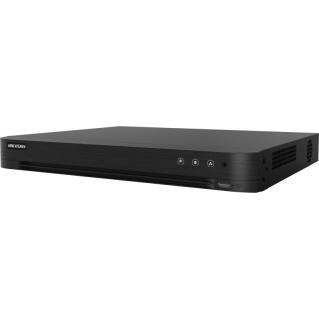
Hikvision iDS-7208HQHI-M2/XT 8-ch 1080p 1U H.265 AcuSense DVR
Rs. 53,654Rs. 67,450
 −20%
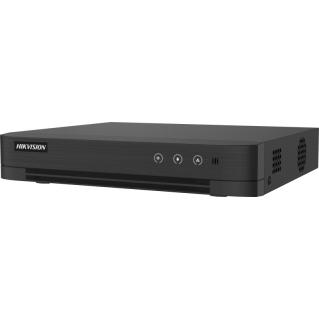
Hikvision iDS-7208HUHI-M1/T 8-ch 5MP 1U H.265 AcuSense DVR
Rs. 61,678Rs. 77,538
 −20%
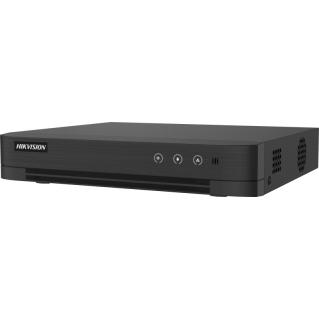
Hikvision iDS-7216HQHI-M1/T 16-ch 1080P 1U H.265 AcuSense DVR
Rs. 82,603Rs. 103,844
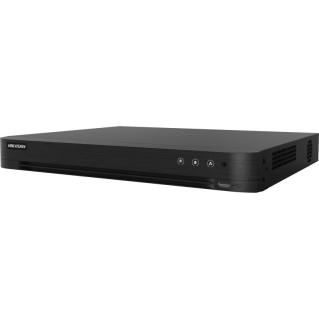 −20%
Hikvision DS-7232HGHI-M2 32-ch 720p 1U H.265 DVR
Rs. 83,432Rs. 104,886
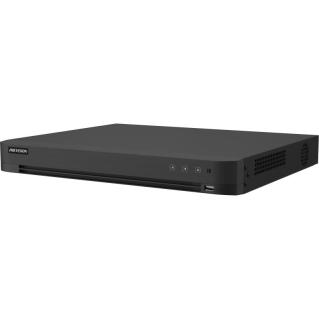 −20%
Hikvision iDS-7216HQHI-M2/XT 16-ch 1080p 1U H.265 AcuSense DVR
Rs. 90,249Rs. 113,456
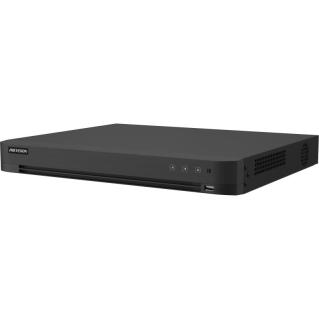 −20%
Hikvision iDS-7216HUHI-M2/XT 16-ch 5MP 1U H.265 AcuSense DVR
Rs. 124,221Rs. 156,164
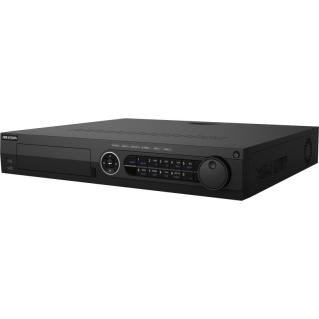 −20%
Hikvision iDS-7332HQHI-M4/S 32-ch 1080p 1.5U H.265 AcuSense DVR
Rs. 212,688Rs. 267,379
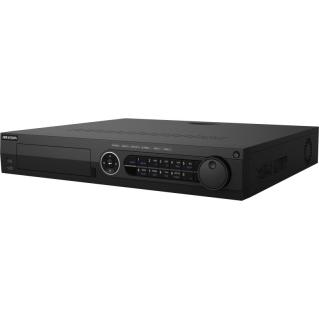 −20%
Hikvision iDS-7332HUHI-M4/S 32-ch 5MP 1.5U H.265 AcuSense DVR
Rs. 292,012Rs. 367,101
Choosing DVR Recorders
A DVR (digital video recorder) records footage from analogue HD cameras to its hard drive and lets you watch live and recorded video on a monitor or on your phone through the Hik-Connect app.
Pick a DVR by the number of channels, which is how many cameras it can record, and leave a spare channel or two for future cameras. Check the maximum recording resolution so it matches your cameras, and the number of hard drive bays for the number of days of footage you want to keep.
AcuSense DVRs can tell people and vehicles apart from other movement, which cuts down false alerts from animals, rain, and swaying trees. Most models also accept a limited number of IP cameras, so you can mix camera types.
DVR Recorders: questions buyers ask
What is the difference between a DVR and an NVR?
A DVR records HD analogue cameras connected by coaxial cable. An NVR records IP cameras over a network. They do not replace each other, so the recorder has to match your cameras. Many Hikvision DVRs are hybrid models that also accept a few IP cameras alongside the analogue ones, which is useful if you want to add one or two network cameras to an older system.
What do HGHI, HQHI, and HUHI mean in the model name?
These letters show the maximum camera resolution the DVR can record. HGHI models are for lower-resolution cameras, up to about 2MP. HQHI models go up to around 4MP. HUHI models record 5MP and above. Choose the letter that covers your highest-resolution camera. Exact limits differ between models, so check the specifications shown on each product page or ask us.
What does AcuSense add to a DVR?
A DVR model marked iDS or AcuSense can tell people and vehicles apart from other movement, even when connected to ordinary analogue cameras. You receive far fewer false alarms from trees, rain, and animals, and you can search recordings for a person or a car. It is a low-cost way to add smart detection to cameras you already own.
How long will the recording last?
It depends on the disk size, the number of cameras, the resolution, and whether recording is continuous or motion-based. As a rough guide, a 4-channel DVR with 2MP cameras recording around the clock will fill a 1 TB disk in about two to three weeks using H.265. When the disk is full, the DVR overwrites the oldest footage automatically, so you only need to plan for how many days you want to keep.
How many hard disks does it take?
The first number after M in the model name shows the disk bays: M1 holds one hard disk and M2 holds two. Larger M4 models hold four. One disk is enough for most homes and small shops. Sites that need to keep footage for a month or more with many cameras benefit from the extra bays. Disks are usually sold separately, so include one when you compare prices.
Should I protect my DVR from power problems?
Yes. Power cuts and surges are a common cause of DVR and hard disk failures in Sri Lanka. A small UPS keeps the recorder running through short cuts and allows it to shut down cleanly during longer ones. Keep the DVR in a ventilated, locked place. If a thief can reach the recorder, they can take your footage along with it.
Can I add more cameras later?
You can add cameras until every channel is used, so a 4-channel DVR that already has four cameras has no room left. If you expect to grow, buy an 8-channel model at the start, because the cost difference is small compared with replacing a recorder. Each new camera also needs cable and power, so plan the cable routes before you decide on the channel count.
Need help? See our CCTV installation service, the CCTV camera price guide, or all products.